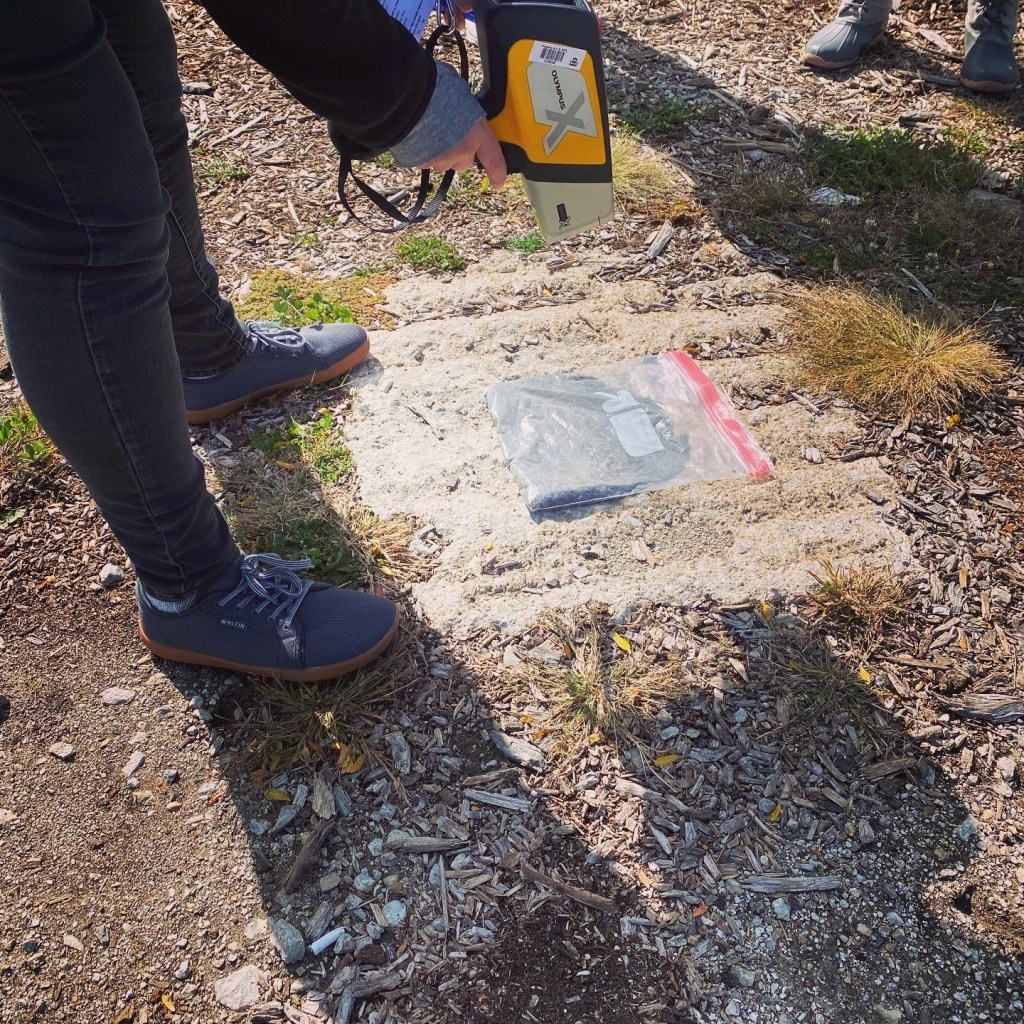
Our work addresses a dual-pronged issue: Many historically marginalized neighborhoods in Chicago are located in food deserts, lacking access to healthy produce. But in the disadvantaged, predominantly BIPOC neighborhoods of Chicago, the soil has a higher risk of contamination by lead and other heavy metals from various industries. While community gardens are growing in popularity — and have strong potential to help mitigate food insecurity — reducing exposure to toxins in the soils being farmed and gardened is crucial to human health.
Home-grown solutions to food insecurity
Just 7 of 44 farmers markets in Chicago are situated in these food deserts, highlighting the urgent need for alternative sources of healthy food.1 Community and backyard gardens, as well as local farming, can help bridge the gap in access to healthy food — if we increase accessibility of resources such as soil, compost, and other materials needed for growers to transition into a raised-bed system. As community members ourselves, we understand the challenges that arise when implementing food sovereignty efforts. Oftentimes we are left with no land access and native soils that are contaminated. To effectively grow nutrient-dense foods, we need clean and safe soil. Suelo Sano offers specific resources such as soil, compost, and native plants to assist growers in transitioning to a raised-bed system while enhancing ecological regeneration by providing native plants that will not only help remediate the soil but also the ecosystem of the Chicagoland area, creating harmony between the land, our hydraulic cycle, and all living things. With the understanding that soil took millions of years to form, episodes of glaciation, and a series of biological and chemical processes, we understand that the small results we achieve today will create a ripple effect within the land and water that will allow future generations to have greater access to nutrient-dense food and safe drinking water.
Decades of pollution from lead and other contaminants in Chicago’s native soils have hindered the ability to grow food directly in the ground. But when urban growers acquire land, active soil testing lets them avoid growing crops in contaminated soils and supports them in making informed decisions like transitioning to raised-bed systems. Active lead screening, nutrient testing, and heavy metal testing give urban growers the information needed to understand their growing space and create mitigation strategies like designing ecological barriers to lock the lead into the soil, allowing biological processes to help return the contaminated soil to health.
Access to land poses a huge challenge for urban agriculture, often limiting urban growers to vacant lots and spaces affected by local industry. Difficulties with acquisition of land confine urban growers to limited growing spaces and present enormous economic barriers for Chicago’s urban agriculture scene. That’s why it is vital to learn to safely work with and remediate the soil we have, in spaces close to home.
Once land has been acquired, growers face other economic challenges like gaining the resources to install a raised-bed system along with soil, compost, and water access. Creating this infrastructure and ensuring long-term sustainability takes substantial financial commitment. Although major organizations have made huge strides in broadening access to these resources, the number of overlooked community members throughout the Chicagoland area remains far larger than the number of growers within the Chicago foodshed landscape. As community members ourselves, we are taking initiative to create awareness around lead and increase access to information, lead screening, and soil testing resources for urban growers, gardeners, and farmers. Although contamination poses a huge challenge, we strive to design and offer resources, protocols, and guidelines for safely interacting with Chicago urban soils.
We understand that soil is a living organism requiring nutrient cycling, water, air, and minerals in order to form. If we understand the soils we are interacting with, we can reduce our consumption of toxic foods and limit exposure to hazardous soils.
Creating safety measures for community members to use in mitigating toxic soils and continuing to work the land — and building long-term relationships with the land — brings justice to the soil. It is our responsibility to bring balance and reciprocity back to the land we occupy and depend on to sustain us.
The safety measures and soil health justice that we highlight in our work collectively enhances this incredible living organism that we depend on. Soil testing allows community members to take safety measures with their own hands, while increasing awareness of health risks and allowing people to make more informed decisions in regard to their green space.
Myceliating possibilities
When community members act as citizen scientists by testing, monitoring, and remediating their own soil, everyone benefits. Through our soil screening initiative, urban gardeners can assess the health of their own soil, so they’ll know whether they can safely grow food in it. We regularly offer workshops, free lead soil screenings, and guidance in interpreting and responding to the results of soil testing for gardeners, farmers, and other residents of marginalized neighborhoods in Chicago.
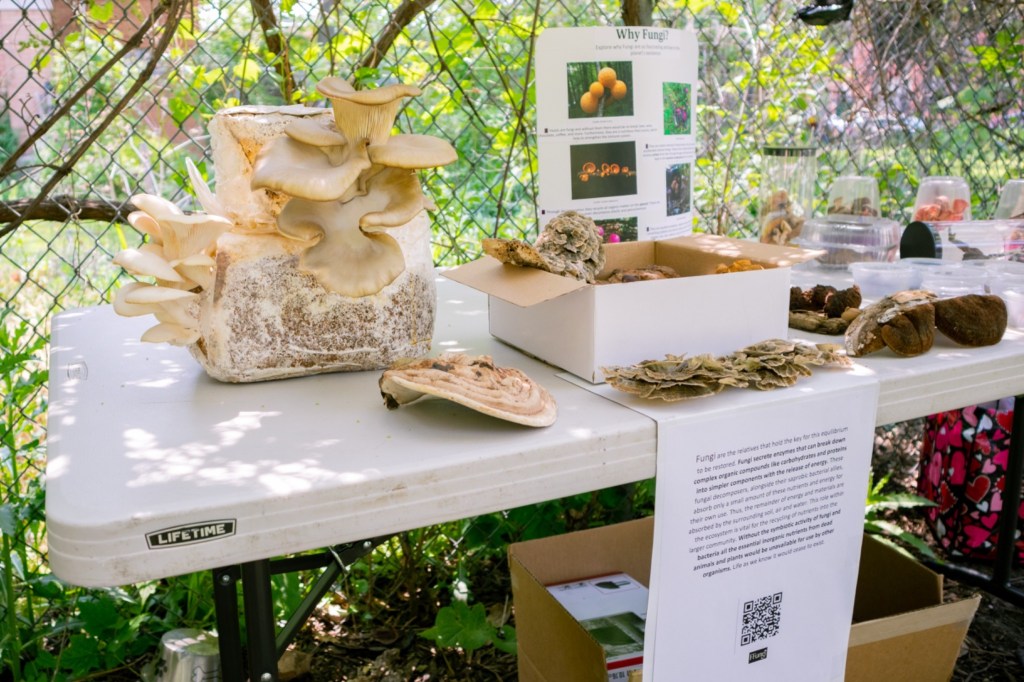
Efforts toward long-term change can also benefit communities today. Through this work, we are helping to catalyze a movement to build long-term soil health while also bringing about more immediate results. While promoting environmental justice, the knowledge and resources that we provide strengthen local ecosystems in critical ways.
 growing food sovereignty in chicago, together.